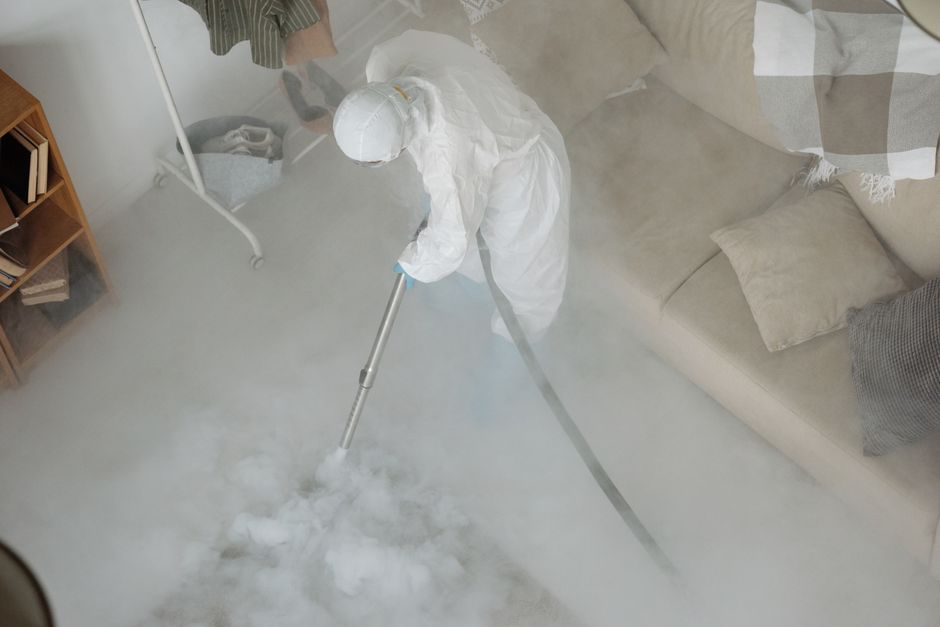
Affordable couch cleaning on High Street Colliers Wood
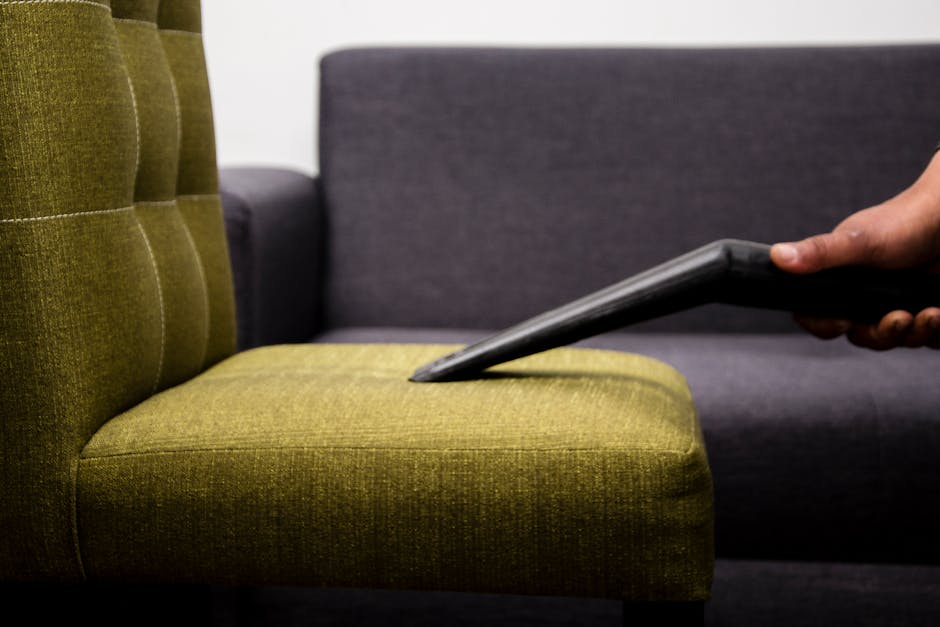
If your sofa is starting to look tired, smell a bit lived-in, or has picked up the usual mix of food spills, pet hair, and daily dust, you are not alone. Affordable couch cleaning on High Street Colliers Wood is one of those services people delay until the marks become impossible to ignore. Then, usually on a damp Tuesday evening or just before visitors arrive, the problem suddenly feels urgent.
The good news? A proper clean does not have to be expensive, and it should not be a gamble either. In this guide, we will walk through what affordable couch cleaning really means, how the process works, what affects price, and how to spot value rather than just the cheapest offer. If you want a fresher sofa without overpaying, you are in the right place.
- Why it matters
- How it works
- Key benefits
- Who this is for
- Step-by-step guidance
- Expert tips
- Common mistakes
- Tools, resources and recommendations
- Law, compliance and best practice
- Options and comparison
- Real-world example
- Practical checklist
- Conclusion
- Frequently asked questions
Why Affordable couch cleaning on High Street Colliers Wood Matters
A couch is one of the hardest-working items in a home. It is where people sit with a cup of tea, where children sprawl with snacks, where pets sneak up when nobody is looking, and where the day tends to end. That means it collects grime in layers, not all at once. By the time the fabric looks flat or patchy, the dirt has often worked its way deeper than a quick vacuum can reach.
On High Street Colliers Wood, affordability matters for a very practical reason: people want a service that fits around busy routines and realistic household budgets. Maybe you rent nearby and need the sofa refreshed before a checkout inspection. Maybe you run a family home and simply want the room to feel cleaner. Or perhaps you have been putting it off because the first quote you saw felt a bit steep. Fair enough.
Affordable does not mean flimsy. It should mean the right level of service for the problem in front of you. A light maintenance clean, a more thorough upholstery wash, or a stain-focused treatment can all be sensible depending on the sofa's condition. The key is matching method to need. That is where value comes from.
There is also a health and comfort angle. Dust, odours, crumbs, and pet dander can make a room feel stuffy even when everything else looks tidy. A clean sofa changes the whole space. Not magically, but noticeably. You sit down and think: ah, that is better.
How Affordable couch cleaning on High Street Colliers Wood Works
Most professional couch cleaning jobs follow a fairly sensible sequence. It starts with identifying the fabric, the stain type, and the level of soil. That first check matters more than people realise. A velvet sofa, a synthetic corner unit, and a delicate natural fibre piece should not be treated the same way. Different materials react differently to water, heat, and cleaning products.
After inspection, the cleaner will usually remove loose dirt and debris, then apply the most suitable cleaning method. In many homes, that may be a low-moisture or hot water extraction approach for washable fabrics, or a specialist upholstery treatment for more sensitive materials. The aim is to loosen embedded dirt without leaving the fabric soggy or over-wet.
Pre-treatment is often used on the more stubborn marks. That might include food stains, drink spills, body oils on armrests, or the dark smudging you see on seat edges after years of daily use. Then comes the main clean, followed by controlled extraction or careful wiping, depending on the fabric. Finally, the sofa is left to dry properly. Drying time varies, and anyone promising instant use for every fabric should be treated cautiously.
For a local service, convenience matters too. Many people want an appointment that does not take over the day. A small flat, a family living room, or a shared house on a busy road all bring their own practical limits. The best cleaners work around that reality rather than pretending every home is a showroom.
Key Benefits and Practical Advantages
There are several reasons people choose affordable couch cleaning instead of replacing a sofa or trying to tackle it all themselves.
- Better value than replacement: A good clean can extend the life of a sofa by months or years, especially if the frame and cushions are still sound.
- Improved appearance: Flattened fabric, patchy arms, and dull seat cushions can often look much fresher after treatment.
- Odour reduction: Everyday smells from pets, food, and general use can settle into upholstery. Cleaning helps lift them rather than masking them.
- More comfortable living space: A cleaner sofa makes the whole room feel more cared for. It is a small thing, but it changes the mood.
- Better hygiene: Removing dust and debris from upholstery can make the seating area feel less grimy, especially in homes with children or pets.
- Budget control: Affordable cleaning lets you maintain your furniture regularly instead of waiting for one expensive emergency clean.
One overlooked benefit is confidence. When your main seating area looks clean, the rest of the room feels easier to manage. You notice the throw cushions, the rug, the floor. A single service can nudge the whole home back into shape. Strange how that works, but it does.
Who This Is For and When It Makes Sense
Affordable couch cleaning on High Street Colliers Wood makes sense for a wide range of people, not just homeowners with obvious stains. If your sofa is used regularly, it is probably a candidate for periodic cleaning even if it looks "fine" at first glance.
This service is especially useful if you are:
- a tenant wanting the living room to look cared for before an inspection
- a landlord preparing a property between lets
- a parent dealing with sticky hands, snack crumbs, and the occasional mystery mark
- a pet owner who knows fur has a way of getting everywhere
- someone with allergies who prefers a fresher-feeling soft furnishing environment
- a busy professional who wants a clean home without spending the weekend scrubbing upholstery
It also makes sense after a specific incident, such as a coffee spill, a food stain, a pet accident, or a smoky odour that has lingered a bit too long. In those cases, prompt action usually gives the best outcome. Leave it too long and the stain becomes part of the furniture, in the worst possible way.
If your couch is not especially dirty but feels tired, a maintenance clean can still be worthwhile. That is where affordability and timing meet. You do not need to wait until the sofa is in bad shape to book help.
Step-by-Step Guidance
If you are booking couch cleaning for the first time, here is the simplest way to think about the process.
- Check the fabric type. Look for a care label if the sofa has one. That gives a clue about what the upholstery can tolerate.
- Identify the main issue. Is it general grime, a single stain, odour, pet hair, or something more specific? The problem affects the method.
- Ask for a clear quote. A useful quote should explain what is included and whether the price changes based on size, material, or stain severity.
- Clear the surrounding area. Move small items, blankets, chargers, and loose cushions if needed. A little prep saves time.
- Make sure access is straightforward. If the sofa is in a tight room or up several stairs, mention that early. Nobody enjoys surprises at the door.
- Allow for inspection and pre-treatment. This is where the cleaner figures out which approach is safest.
- Let the sofa dry properly. Resist the urge to sit on it too soon. I know, annoying. But worth it.
If you are unsure about fabric care, ask before the appointment rather than after. A good cleaner will tell you what they can and cannot safely do. That is a healthy sign, not a sign of weakness.
For a fuller home refresh, some people combine sofa cleaning with broader services like upholstery cleaning or one-off cleaning. That can be useful if the living room needs more than just the sofa sorted out.
Expert Tips for Better Results
A few small choices can make a surprisingly big difference to the final result.
- Act early on spills. Blot, do not rub. Rubbing tends to push the stain further in and can rough up the fibres.
- Be honest about the condition. If there is heavy soiling, a pet issue, or an old stain, say so when you enquire. It helps the cleaner choose the right method.
- Vacuum first if you can. Removing crumbs and loose dust helps the main clean work better.
- Protect the room. Keep cushions, throws, and nearby items away from the work area. Sounds obvious, but people forget in the rush.
- Ask about drying time. It changes with fabric, ventilation, and weather. A breezy room can help.
- Do not over-wet the fabric yourself. Home sprays and heavy scrubbing often create more problems than they solve.
In our experience, the best results come from a calm, measured approach rather than a heroic last-minute clean. There is something to be said for leaving the over-excited DIY energy in the cupboard. The sofa will thank you.
If you also want the floors or surrounding rooms refreshed, it may be worth looking at carpet cleaning or even deep cleaning so the whole space feels consistent rather than half-done.
Common Mistakes to Avoid
Most couch-cleaning disappointments come from a handful of avoidable mistakes. The frustrating part is that they look sensible at first.
- Choosing the cheapest option without checking what is included. Low price can be fine, but not if it means a rushed or incomplete job.
- Using the wrong cleaner on delicate fabric. A product that works on one sofa might damage another.
- Scrubbing aggressively. That can spread the stain, distort the pile, or leave a permanent fuzzy patch.
- Ignoring the drying stage. Putting cushions back too soon traps moisture and can leave the room smelling musty.
- Assuming all marks are removable. Some stains can be significantly improved, not completely erased. That honest expectation saves disappointment.
- Not asking about insurance or safety. You want to know the cleaner works carefully and carries proper cover where appropriate.
A slightly awkward truth: not every mark is a miracle job. Some are years old, some are heat-set, and some have simply had too much time to settle in. But even then, a professional clean can often improve the overall look and feel more than people expect.
Tools, Resources and Recommendations
You do not need to become an upholstery technician to keep a couch in decent condition, but a few practical tools help.
- Vacuum with upholstery attachment: Good for weekly upkeep and getting into seams.
- Clean microfibre cloths: Useful for gentle blotting and surface dust removal.
- Soft brush: Handy for lifting pet hair or reviving textured fabrics.
- Plain white towel: Useful under cushions or for blotting spills without colour transfer.
- Ventilation: Open windows if possible. Fresh air does a lot of quiet heavy lifting.
If you are comparing service providers, it helps to look for straightforward information about pricing and quotes, as well as pages that explain how the company handles payment and security. That does not tell you everything, of course, but it does show whether the business is organised and transparent.
For broader trust signals, useful reading can also include about the company, insurance and safety, and health and safety policy. A decent business should be comfortable explaining its approach in plain English.
Law, Compliance, Standards, or Best Practice
For sofa cleaning, most of the important standards are about care, safety, and clear communication rather than legal drama. In the UK, customers should expect a service to be carried out responsibly, with suitable products used in line with manufacturer guidance where possible. If a cleaner is working in your home, they should also take sensible precautions around water, surfaces, access, and drying.
From a best-practice point of view, the cleaner should assess the fabric before starting, explain any limitations, and avoid promising results that are not realistic. That is especially important with fragile upholstery, antique pieces, or very badly stained items. Respect for the material matters. So does respect for your home.
If you are a tenant or landlord, it is also wise to keep any service notes or invoices where they might be useful later. Not because every clean turns into paperwork, but because it is handy if you need to show that the sofa was professionally treated before a move or inspection. Quietly practical, that.
Where a company publishes policies such as terms and conditions, privacy policy, or complaints procedure, that usually signals a more organised and customer-aware approach. Not glamorous, perhaps, but reassuring.
Options, Methods, or Comparison Table
Different couch-cleaning approaches suit different situations. The table below gives a simple comparison to help you think clearly before you book.
| Method | Best for | Strengths | Things to watch |
|---|---|---|---|
| Light maintenance clean | Everyday dust, light marking, general freshness | Quick, budget-friendly, good for upkeep | May not shift deep stains or heavy odours |
| Targeted stain treatment | Spills, isolated marks, pet incidents | Focused on the problem area, often cost-effective | Results depend on stain age and fabric type |
| Full upholstery clean | Heavier soil, general dullness, mixed use | More even finish, better overall refresh | Usually takes longer and needs proper drying time |
| Combined home clean | When the room needs more than the sofa | Useful if you want the whole space to feel fresher | Can cost more than a single-item clean |
For many households, the smartest option is not the most intensive one. It is the one that solves the actual problem. If the couch is only lightly soiled, you may not need a full heavy-duty treatment. If the sofa has both stains and odour, though, cutting corners tends to be false economy.
Case Study or Real-World Example
Here is a realistic example. A small family on High Street Colliers Wood had a three-seater fabric couch that looked fine from a distance but felt grimy up close. The seat cushions had dulled, the armrests were slightly shiny from use, and there was a faint smell of last winter's takeaways that just would not leave. Not dramatic. Just enough to annoy everyone.
They did not want to replace the sofa because the frame was solid and the style suited the room. So they booked an affordable upholstery clean instead of rushing into a big purchase. The cleaner checked the fabric type, pre-treated the armrests and the main seating area, and worked through the whole piece carefully. After drying, the sofa looked brighter and felt less sticky to the touch. The smell had reduced as well, which mattered more than the appearance, to be honest.
The family's takeaway was simple: the sofa did not need replacing, just proper attention. That is a common story. People often think they need a new couch when they really need a sensible clean and a bit of patience.
If a similar result is what you want, it can help to combine sofa care with house cleaning or domestic cleaning so the rest of the room supports the fresh look rather than undermining it. A clean sofa in a dusty room can feel a little odd, and vice versa.
Practical Checklist
Use this checklist before you book.
- Know whether the sofa is fabric, leather-look, velvet, or a mixed material.
- Note the main issue: stain, smell, dust, pet hair, or general dullness.
- Check if there is a care label or manufacturer guidance.
- Ask what is included in the quote.
- Ask roughly how long drying will take.
- Confirm whether pre-treatment is included for stains.
- Make sure access to the property is straightforward.
- Clear small items from the work area.
- Keep pets and children out of the cleaning space during the appointment.
- Plan not to use the sofa immediately afterwards if drying is needed.
If you want a slightly bigger refresh, you might also consider rug cleaning or cleaning company support for the rest of the home. Not essential, just sensible if the whole room is looking a bit weary.
Get a free quote today and see how much you can save.
Conclusion
Affordable couch cleaning on High Street Colliers Wood is really about getting practical value without sacrificing care. The best result is not always the most expensive one, and it is certainly not the quickest promise. It is the service that understands your fabric, your budget, and the way real homes actually work.
If your sofa is tired, stained, or simply overdue for attention, a proper clean can make the room feel calmer and more lived-in in a good way. Fresh, but not overdone. Clean, but still comfortable. That balance matters more than people think.
And if the sofa has been quietly bothering you for weeks, maybe this is the nudge. Sort it now, enjoy it tonight. Simple as that.
Frequently Asked Questions
How often should I arrange couch cleaning?
That depends on use. A family sofa with children or pets may benefit from a professional clean more often than a rarely used spare-room piece. If the fabric starts to look dull, smells stale, or feels less fresh, that is usually a good sign it is time.
Is affordable couch cleaning on High Street Colliers Wood suitable for delicate fabric?
Yes, if the cleaner checks the material first and chooses the right method. Delicate fabrics need a more careful approach, so it is important not to assume every sofa can be treated the same way.
Can couch cleaning remove old stains?
Sometimes it can improve them a great deal, but not every old stain can be removed completely. Age, heat, previous cleaning attempts, and fabric type all affect the outcome. Honest expectations are best here.
How long does a sofa take to dry after cleaning?
Drying time varies depending on the fabric, cleaning method, ventilation, and room temperature. Lighter cleaning methods can dry faster, while deeper wet cleaning usually needs more time. It is wise to ask before booking rather than guessing.
Will the cleaning service make my living room smell strongly of chemicals?
It should not. A professional clean should leave the room smelling fresher, not harsh. If a product smell is noticeable, it should usually fade as the sofa dries and the space is aired out.
What should I do before the cleaner arrives?
Clear small items, remove throws if asked, and make sure the sofa area is easy to access. If you have pets or young children, it is sensible to keep them away from the work area until the job is finished.
Is it cheaper to clean the sofa or replace it?
In many cases, cleaning is far more cost-effective, especially if the frame and cushions are still in good shape. Replacement only makes sense if the sofa is damaged beyond what cleaning can reasonably improve.
Can I clean my couch myself instead?
You can do basic maintenance such as vacuuming and blotting spills, but DIY cleaning can go wrong if the wrong product or too much moisture is used. For stubborn stains or delicate upholstery, a professional approach is safer.
What makes a couch cleaning service good value?
Clear pricing, careful fabric inspection, realistic expectations, and a method that suits the sofa. Value is not just the lowest number on a quote. It is what you actually get for the money.
Do I need different cleaning for a pet-soiled sofa?
Usually, yes. Pet issues often need focused pre-treatment and extra attention to odour. It is best to mention this upfront so the cleaner can decide whether a standard clean is enough or a more specialised approach is needed.
Can couch cleaning be combined with other home cleaning services?
Yes, and for some households that is the smartest route. A sofa clean alongside carpet care, rug cleaning, or a broader one-off tidy-up can make the whole room feel much more consistent.
How do I know if a cleaning company is trustworthy?
Look for clear information about the company, its policies, and how it handles payment, safety, and complaints. A trustworthy business should be easy to understand and should not avoid straightforward questions. If something feels vague, trust that instinct.